III. FUNERARY ART AS CULTURAL ENTANGLEMENT
(Minya, November 2026)
Cultural entanglement implies mutual correlation and at least two types of connection: explicit and transparent, hidden and implicit. Explicit is by its nature self-evident and discernible, while implicit must be searched for and discovered by removing layers that suppress it. Entanglement is strongly related to cultural identity, and since culture is constant and ever-changing, entanglement cannot disappear or be disregarded. This section aims to discuss the process of multicultural adjustment and transformation that took place in the Eastern Mediterranean from the 4th to the 1st c. BCE as this is expressed or negotiated in funerary art. Such a transcultural perspective can help to reconstruct, as far as plausible, the relationship between the product and its agents: makers, owners and/or users; to define function, symbolic use, social styles of acting and doing and hence agency of funerary art as determined by context; to determine how funerary art is re-conceptualized, re-elaborated and integrated through time and within varying cultures. Thus, this part of the Program aims to explore how the interplay between local, regional and inter-national cultural and intellectual biases may inspire creative tensions in funerary art; to challenge binary views of East-West relations and the standard imperialist-colonial frameworks; to offer a critique of both established modernizing conceptions of cultural development and nationalist, nativist frameworks based on the values of specific political endeavors.
PROGRAMME
Sunday, 15 November 2026
15:00-15:15:Welcome Session I. Theoretical Approaches to Cultural Entanglement
15:15-15:30: Prof. Em. Mona Haggag (Alexandria University-ASA), Cultural Entanglement in the Funerary Landscape of Ptolemaic Egypt
15:30-15:45: Prof. Nikolas Dimakis (National and Kapodistrian University of Athens), Towards a Relational Archaeology of Death: Cultural Entanglement and Hellenistic Funerary Practices in the Eastern Mediterranean
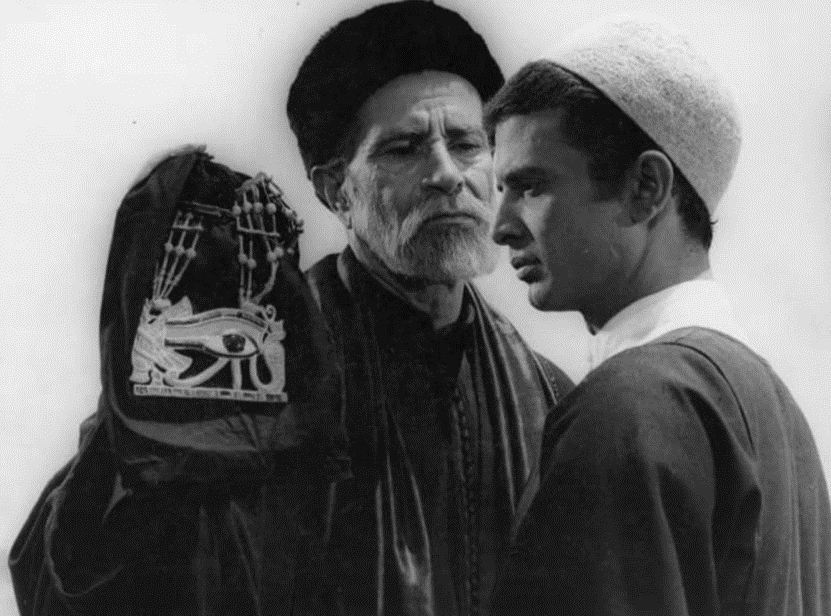
15:45-16:00: Prof. Dimitris Plantzos (National and Kapodistrian University of Athens), Entangled Ancestors: Funerary Art, Archaeopolitics, and Cultural Heritage in The Night of Counting the Years
16:00-16:15: Discussion
16:15-16:30: Break
Session II. Rituals, Religion and the Transformation of Funerary Practice
Chair: Prof. Em. Mona Haggag
16:30-16:45: MennatAllah Hassan (ASA), Burial Rituals and Material Culture in Ptolemaic Egypt: Egyptian Continuity and Hellenistic Transformations
16:45-17:00: Prof. Mona Ashour (Alexandria University), Libation Rituals in the Hellenistic Eastern Mediterranean: Between Funerary Rituals and Offering Vessels
17:00-17:15: Prof. Tony Abd El Salam Tony (Minya University), The Depiction of the Greek Rhyton Vessels at the Tomb of Petosiris in Tuna el-Gebel
17:15-17:30: Prof. Em. Hussein Abd EL-Aziz (Alexandria University-ASA), Egyptian Afterlife and Funerary Deities in Graeco-Egyptian Magical Amulets
17:30-17:45: Dr. Dina Atta (Alexandria University), From Tomb to Shrine: Funerary Echoes from Macedonia and Siwa in the Mural Paintings of Kom Madi
17:45-18:15: Discussion
Monday, 16 November 2026 Session III. Identity, Memory and Representation
Chair: Prof. Dimitris Plantzos
15:00-15:30: Dr. Sayed Abdel-Malik Abdel-Hamid (Chief Inspector of Mallawy Antiquities, Ministry of Tourism and Antiquities), Cremation Customs and Rituals in Kom el-Lolly-Tuna el Gebel in Light of Recent Archaeological Discoveries
15:30-15:45: Vangelis Galanis (National and Kapodistrian University of Athens), The Return of the Mummies: Burial Practices and Ethnic Identity in the Cemeteries of Ptolemaic Alexandria
15:45-16:00: Stefania Grigorakaki (National and Kapodistrian University of Athens), Women at Crossroads: Cultural Entanglement and Gender Identity in the Hellenistic Funerary Art of Egypt
16:00-16:15: Vasilis Lamprinos (National and Kapodistrian University of Athens), Identity through Death: The Example of Painted Funerary Stelae of Soldiers from Alexandria
16:15-16:45: Discussion
16:45-17:15: Break
17:15-17:45* (*lecture on-line via: uoa.webex.com/meet/nikdimakis): Prof. Sobhi Ashour (Capital University, Cairo), Bir el-Shaghala Necropolis: Its Uniqueness and Importance
17:45-18:00: Dimitra Kiagiadaki (National and Kapodistrian University of Athens), Cultural Interaction in the Mortuary Treatment of Children in Hellenistic Macedonia
18:00-18:15: Marios Chouliaras (National and Kapodistrian University of Athens), Posthumous Representations of the Ptolemies in the Edfu Hoard: An Example of Entanglement Between Cultures, Cults, and Funerary Art
18:15-18:30: Louisiane Betrancourt (National and Kapodistrian University of Athens), Kydonia, Itanos and the Ptolemies: Between Cultural Entanglement and Strong Local Identities
18:30-18:45: Anastasia Perysinaki (National and Kapodistrian University of Athens), Do Not Strike the Wall; That Does but Make a Noise: Burial Practices and Social Identity in Hellenistic Maresha
18:45-19:15: Discussion
Tuesday, 17 November 2026 Session IV. Cultural Negotiation through Material Commodities
Chair: Prof. Nikolas Dimakis
17:00-17:15: Prof. Fathia Gaber Ebrahim (Alexandria University), Hadra Hydriae in Alexandria: A Transcultural Geo-spatial Approach to Entanglement and Practice in Burial Contexts
17:15-17:30: Manos Rapanakis (University of Crete), The Shape of Grief: Hadra Hydriai and the Implicit Subversion of Ptolemaic Funerary Customs in Hellenistic Crete
17:30-17:45: Andreas Leventis (Freie University), Vessels of Cultural Entanglement: Transcultural Networks and Transport Amphorae in the Funerary Landscapes of the Aegean, Cyprus, and Ptolemaic Egypt
17:45-18:00: Dr. Basma Khalil (ASA), The Shared Language of Death: Pottery Jar Burials and the Unity of Human Conceptions of the Afterlife
18:00-18:15: Dimitra Fylaktopoulou (National and Kapodistrian University of Athens), Terracotta Figurines as Agents of Funerary Practice: A Transcultural and Actor-Network Approach in the Eastern Mediterranean
18:15-18:30: Dr. Anastasios Kakamanoudis (Aristotle University of Thessaloniki), Beyond Imports: Cultural Entanglement and Funerary Expression in Hellenistic Macedonia
18:30-19:15: Discussion and closing remarks